
Perfect Oven-Roast Beef
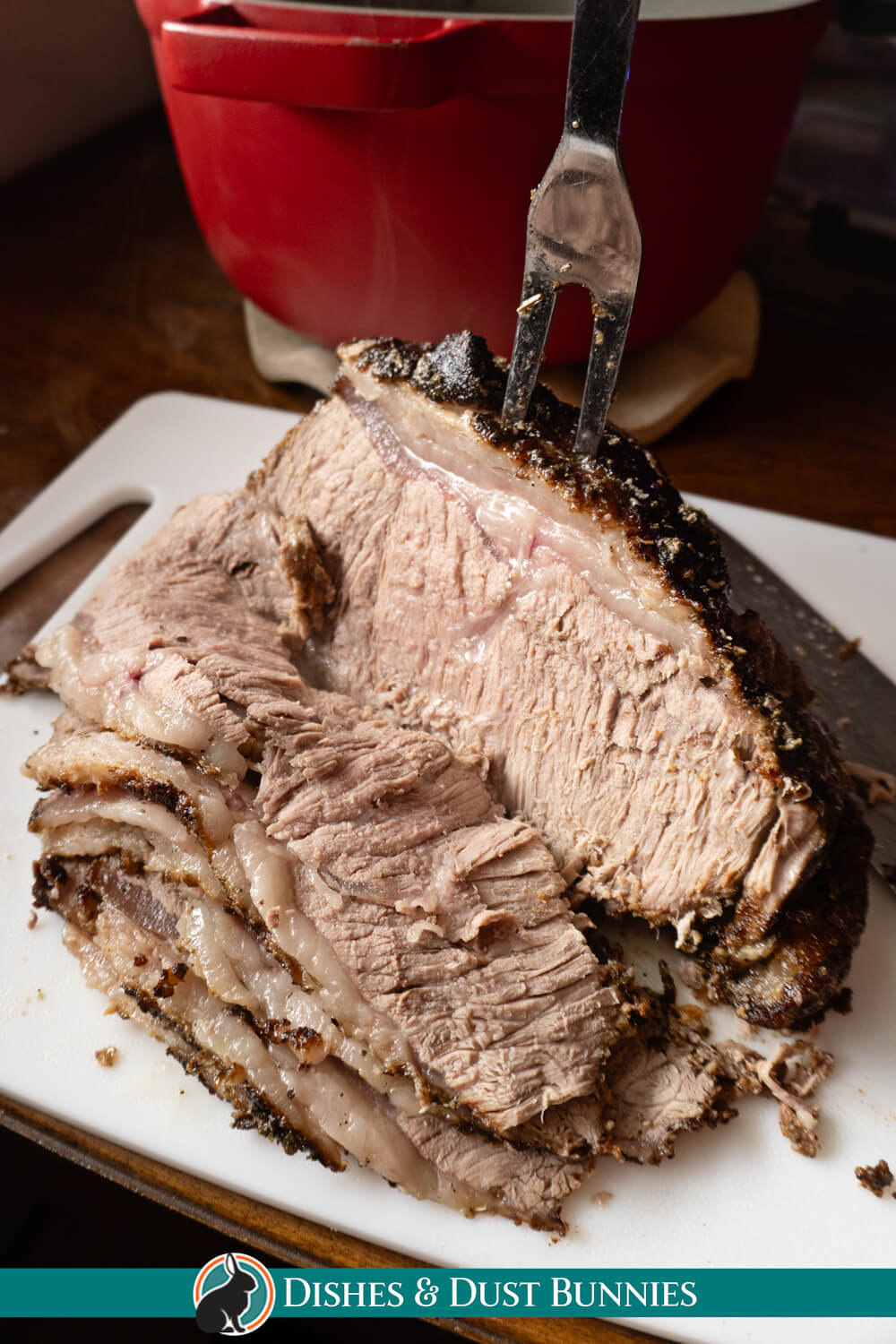
There’s nothing quite like a perfectly cooked roast beef—tender on the inside, with a flavorful crust on the outside. In this recipe, we’ll use a beef sirloin roast and create a delicious seasoning mix to sear the meat to perfection before roasting it in the oven. It’s ideal for a family dinner and, of course, those amazing leftover roast beef sandwiches later in the week!
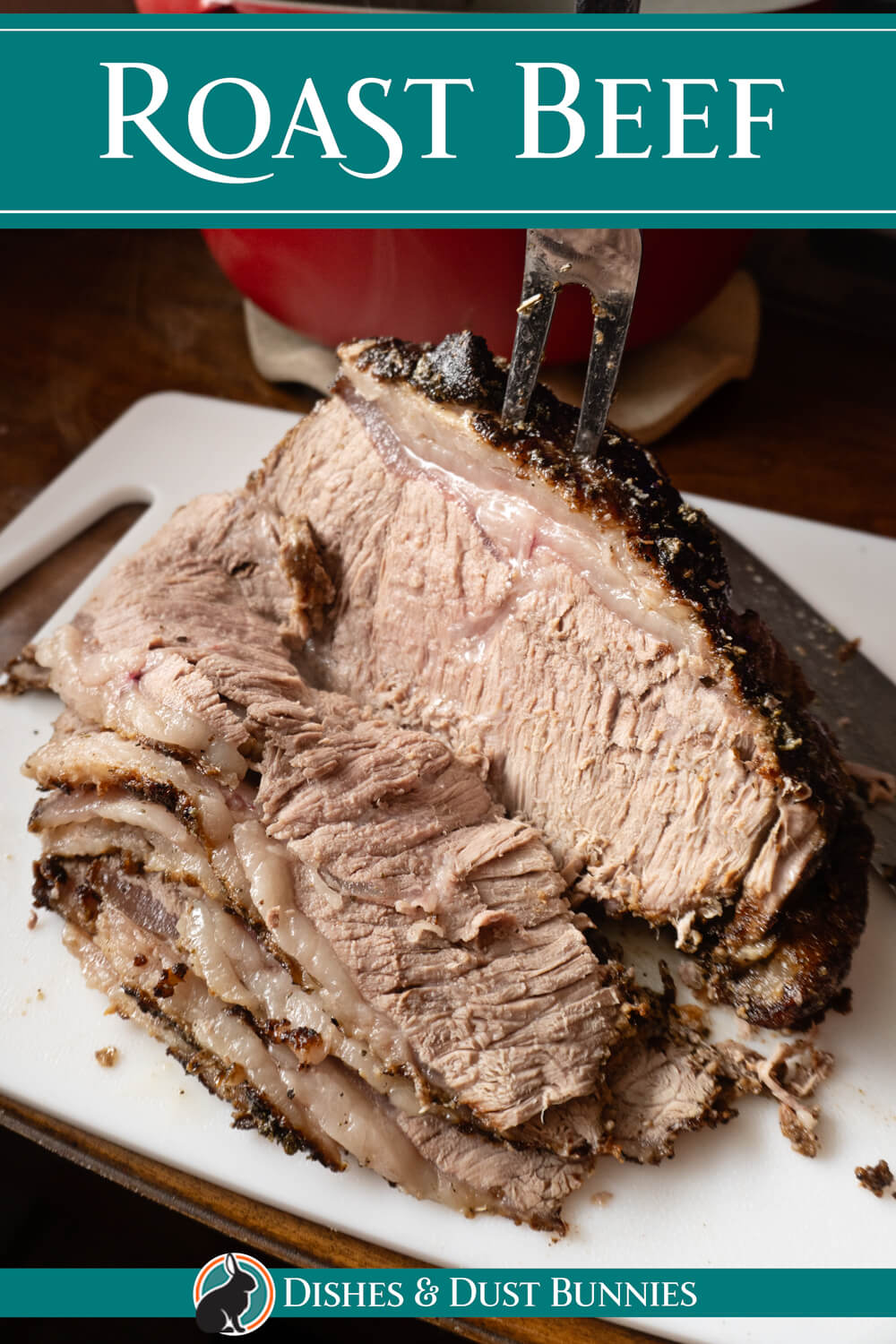
Growing up on a farm in rural New Brunswick with my grandparents, I have such fond memories of my grandmother cooking roast beef on an old wood stove that used firewood. The rich aroma of the slow-cooking beef would fill the house, creating a cozy, inviting atmosphere.
Those roast beef dinners were always a special occasion, bringing the family together around the table. Her way of cooking, using simple ingredients and traditional methods, continues to inspire me, and I’m excited to share this version with you.
I hope you enjoy this recipe! ❤️ If you give it a try, please let me know how it turned out for you in the comments section at the bottom of the page or share a pic of your om noms on Instagram and tag @dishesanddustbunnies! ❤️
What is a Beef Roast, and Why Is It a Great Choice for Dinner?
A beef roast is a large cut of beef, often used for slow-cooking in the oven, which results in a tender and flavorful dish. For this recipe, we’re using a 4 lbs beef sirloin roast, a lean cut perfect for slow roasting. It’s seasoned with garlic powder, sage, oregano, salt, and pepper, making it a delicious centerpiece for your next family dinner.
What Ingredients Are Needed for This Beef Roast Recipe?
The main ingredient for this roast is a 4 lbs beef sirloin roast, which is a lean cut that’s perfect for slow roasting. For the seasoning, you’ll need vegetable oil, garlic powder, sage, oregano, salt, and pepper. The roast is finished with a simple but flavorful combination of Worcestershire sauce, water, and more sage, giving the meat a rich, savory flavor.
Be sure to see the recipe card at the bottom of the post for full ingredients & instructions!
How to Make The Perfect Roast Beef – Overview
You can find the full recipe details, including ingredient amounts and the full instructions in the recipe card at the bottom of this post, but first, here’s a quick overview of how to make homemade roast beef!
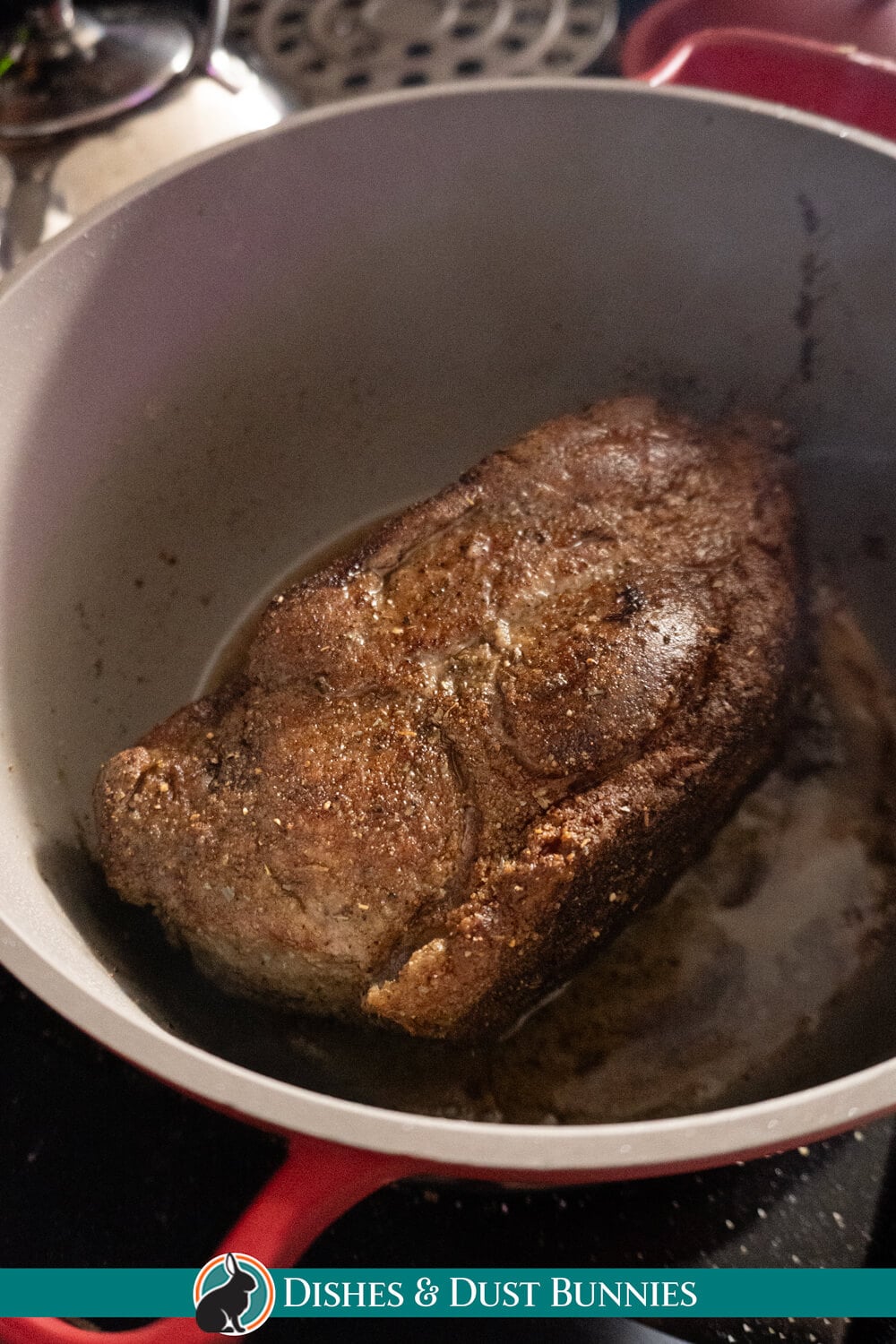
To make this delicious and tender roast beef recipe, you’ll start by seasoning a three pound roast (or a larger cut) with a mixture of freshly ground black pepper, garlic powder, salt, dried sage, oregano, and flour. Heat some olive oil in a skillet over medium-high heat and sear the roast until it’s browned on all sides. Searing the meat is an important step to lock in the flavor before you cook roast beef in the oven.
After searing, transfer the roast to a roasting pan. For added moisture and flavor, pour a mixture of Worcestershire sauce and water over the roast, or you can use beef stock as an alternative for a richer taste. Remember to preheat the oven to 325°F before placing the beef in the oven.
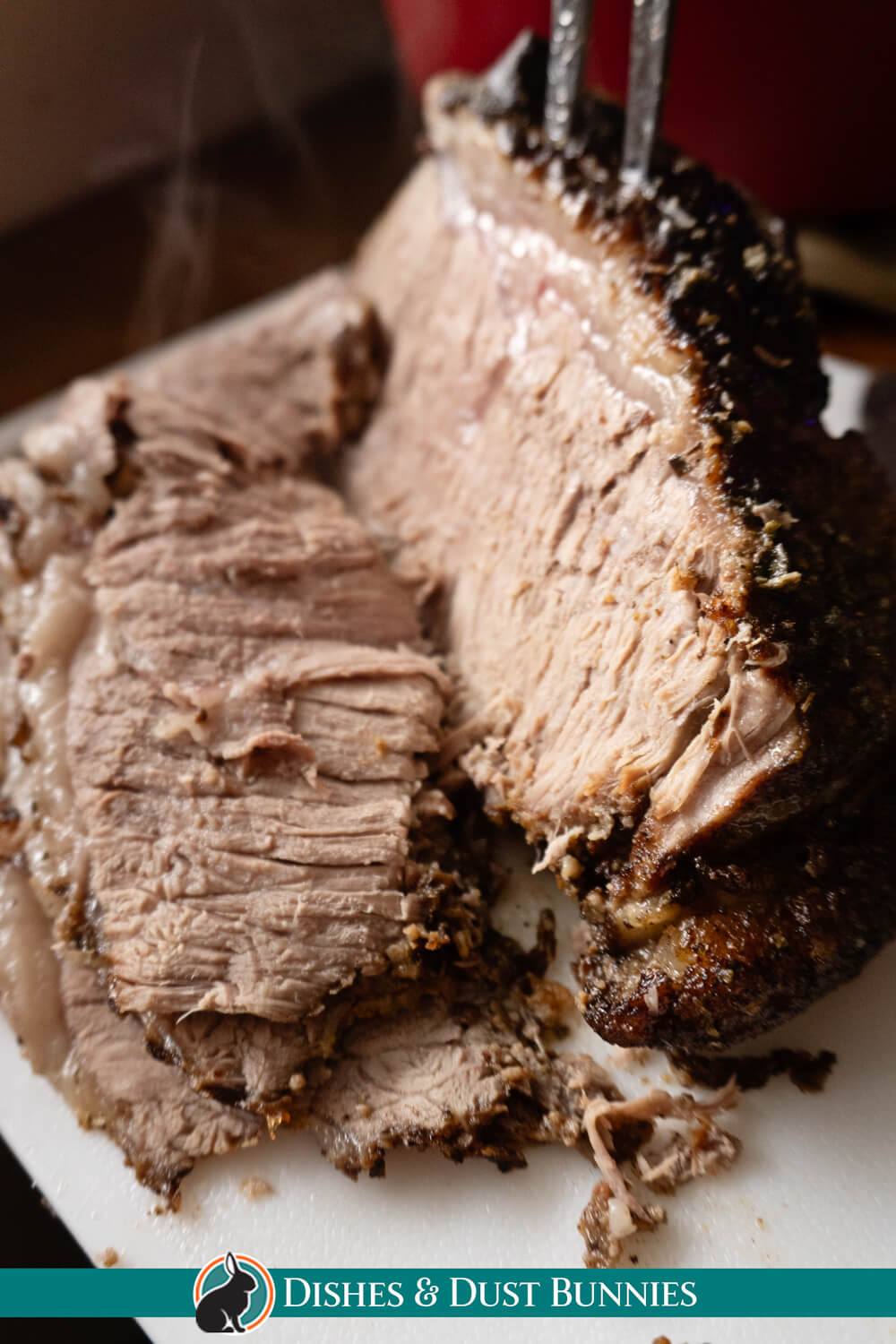
Roast the beef until it reaches your desired level of doneness, checking the internal temperature with a meat thermometer. If you want it fall apart tender, consider cooking it for a longer time at a lower temperature, especially if you’re using a cut like a chuck roast. Once the beef is done, allow the roast to rest for at least 15 minutes. This helps retain the juices, ensuring a juicy and flavorful roast when sliced.
Whether you’re using a three pound roast or a larger cut, this method guarantees a perfectly cooked, flavorful, and tender roast. It’s an easy, classic method to cook beef that’s sure to become a family favorite.
Alternative Cooking Methods for Roast Beef
Grilled Beef Roast: You can grill your roast beef over indirect heat for a smoky flavor. Sear the roast on all sides, then move it to a cooler part of the grill to cook slowly until it reaches your desired doneness.
Stovetop Pot Roast: Instead of the oven, cook the roast beef in a Dutch oven on the stovetop. Sear the beef, then add beef broth or red wine to braise the meat. Simmer on low heat for a few hours until the meat is tender.
Slow Cooker Roast Beef: Sear the roast on all sides in a skillet, then transfer it to a slow cooker. Add onions and a mixture of Worcestershire sauce and water. Cook on low for 8-10 hours or on high for 4-6 hours until the beef is tender.
Instant Pot Roast Beef: Sear the roast using the Instant Pot’s sauté function, then add onions and the Worcestershire sauce mixture. Seal the lid and cook on high pressure for 70-80 minutes. Allow the pressure to release naturally before serving.
Doneness Temperatures and Cooking Times for Roast Beef
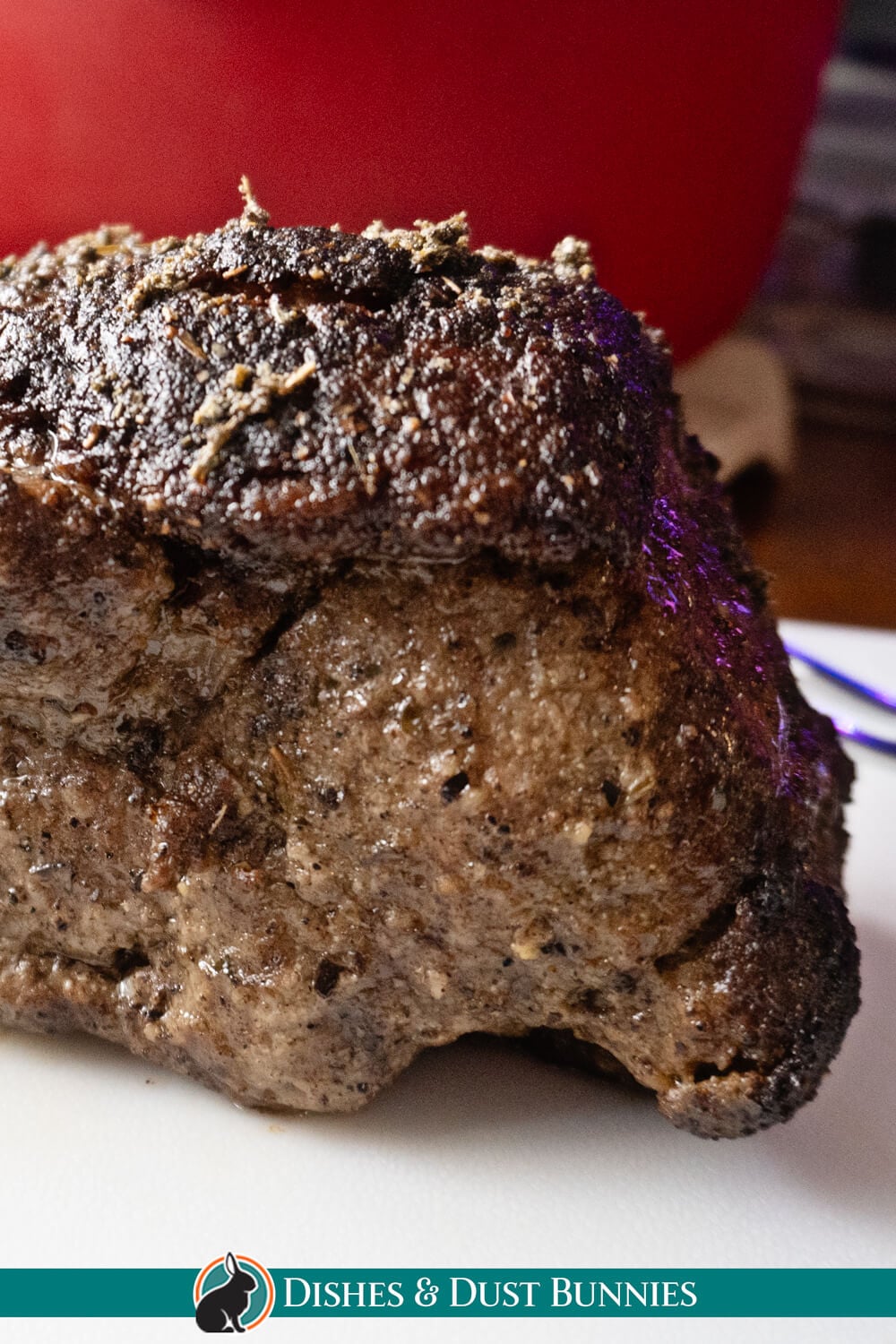
To get the perfect roast beef, it’s important to cook to your desired doneness. Use a meat thermometer to check the internal temperature of the roast and follow the approximate cooking times below for each level of doneness:
| Doneness Level | Internal Temperature | Cooking Time (per pound) |
|---|---|---|
| Medium-Rare | 135°F (57°C) | 20 minutes |
| Medium | 145°F (63°C) | 25 minutes |
| Well-Done | 160°F (71°C) | 30 minutes |
Recipe Variations & Substitutions
- Red Wine Roast: Substitute half the water for red wine to add a richer flavor.
- Different Cuts of Beef: While this recipe uses a sirloin roast, you can substitute other cuts like chuck roast, rump roast, or top round roast. Each cut has its own characteristics—chuck roast and rump roast are more marbled, which means they can become even more tender and flavorful when slow-cooked. Adjust the cooking time accordingly based on the cut you use.
- Seasoning Adjustments: Swap out the oregano for rosemary or thyme to give the roast a different herbaceous flavor.
- Pressure Cooker Variations: For the Instant Pot version, you can add vegetables like carrots, potatoes, and celery into the pot along with the roast. These will cook perfectly alongside the beef, absorbing all the rich flavors, and make a complete one-pot meal.
- Slow Cooker Additions: When making the slow cooker version, consider adding root vegetables like parsnips, turnips, or sweet potatoes for extra flavor. You can also mix in a few tablespoons of tomato paste or diced tomatoes for a richer sauce.
Choosing the Best Beef Cut for Roasting
When it comes to making the best roast beef, there are several beef roasts you can choose from, depending on your preferences. A bone in rib roast or rib roast offers rich flavor and tenderness, making it perfect for special occasions. If you’re looking for something leaner, a round tip roast is a great option that cooks well and slices easily for sandwiches.
For a truly indulgent meal, you might opt for a prime rib or ribeye roasts, both known for their excellent marbling and tenderness. If you prefer boneless roasts, they’re easier to carve and still deliver excellent results. For a more budget-friendly option, a shoulder roast is ideal for slow cooking, resulting in a tender, flavorful dish. No matter the beef cut you choose, each one can create a delicious roast depending on how you cook it and your flavor preferences.
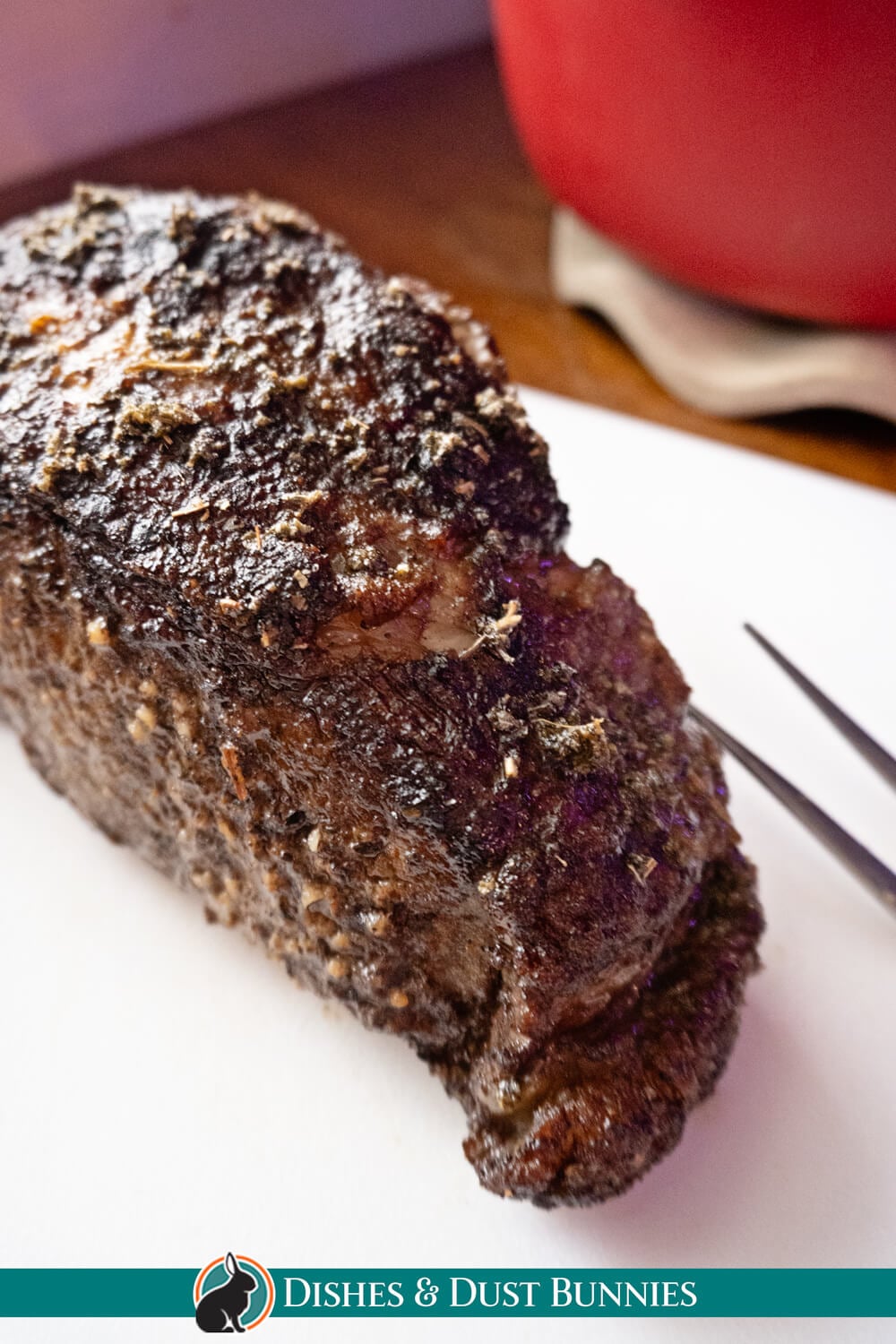
How to Make Gravy from Roast Beef Drippings
After cooking roast beef, the drippings left in the pan are perfect for making a rich and flavorful gravy. Here’s how to turn those drippings into a delicious sauce to accompany your meal.
- Once you’ve finished making roast beef, transfer the roast to a plate and allow it to rest. While the roast rests, place the roasting pan with the drippings on the stovetop over medium heat.
- Melt butter (about 2 tablespoons) in the pan, stirring it into the drippings. This adds richness and helps thicken the gravy.
- To the mixture, add 2 tablespoons of flour and whisk continuously for about 1-2 minutes until it forms a roux. This will help thicken the gravy.
- Slowly pour in more beef broth or enough beef stock (about 1 to 1 ½ cups), whisking constantly to avoid lumps. The amount of liquid depends on how thick or thin you want your gravy. Keep stirring until the gravy begins to thicken.
- Let the gravy simmer for a few minutes, stirring occasionally, until it reaches your desired consistency. Taste and season with salt and pepper as needed.
This easy method of using the drippings ensures that all the flavors from cooking roast beef go into the gravy, making it a perfect complement to the dish.
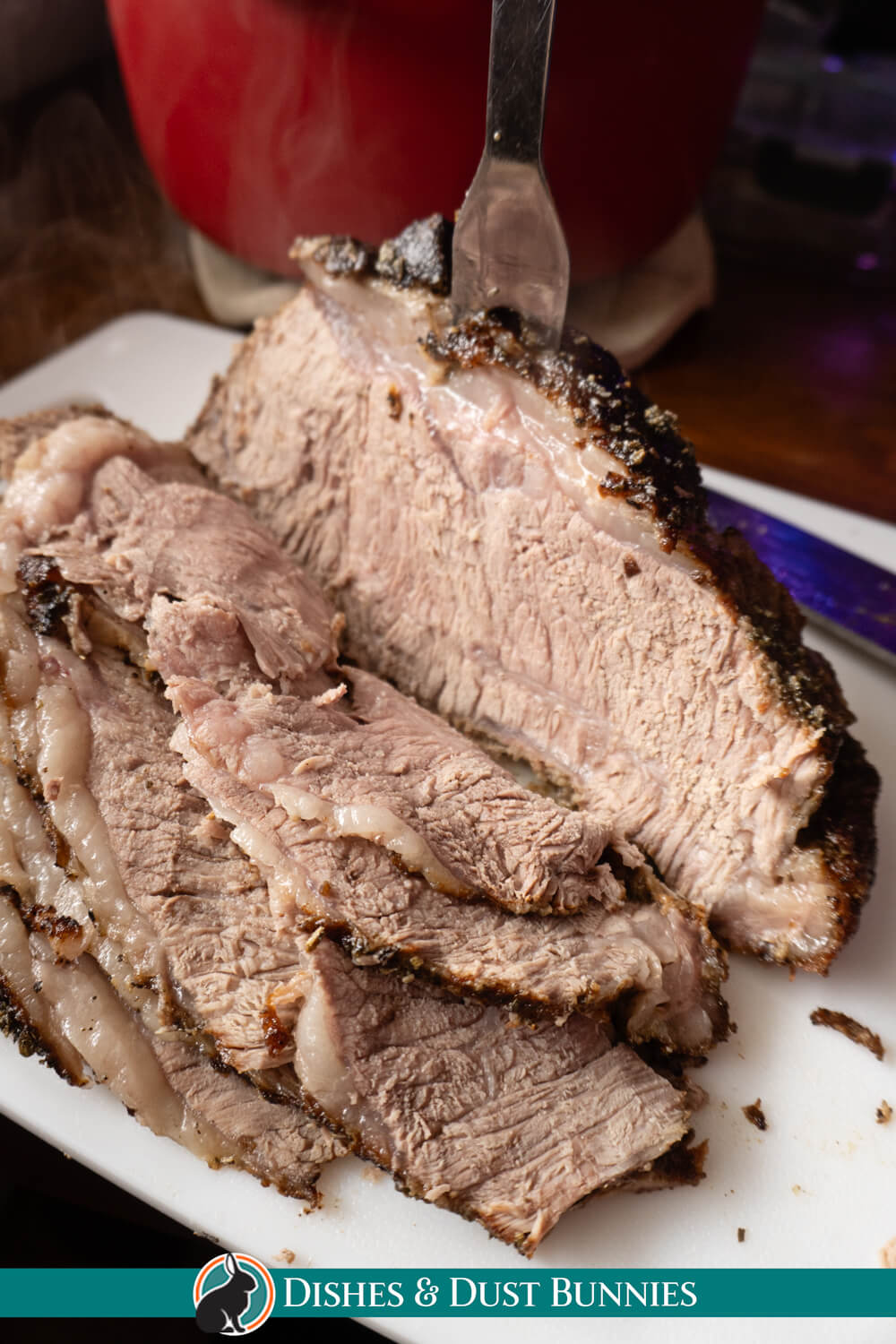
What Are the Best Alternatives to a Roasting Pan?
If you don’t have a roasting pan, don’t worry! There are several effective alternatives that can still give you a perfectly cooked roast beef. The key is to use something that allows the heat to circulate around the meat and catch the drippings for flavor.
- Dutch Oven: A heavy-duty Dutch oven is a great alternative. Its thick walls retain heat well, and the lid helps lock in moisture, making it perfect for roasting. Simply place the beef on a bed of onions or vegetables to allow air to circulate underneath.
- Cast Iron Skillet: A large cast iron skillet can handle high temperatures and provides an excellent sear. You can use a wire rack to elevate the beef slightly or create a rack using vegetables like carrots and celery to lift the roast off the skillet.
- Baking Dish with Rack: If you have a sturdy baking dish, you can place a wire cooling rack inside to elevate the beef. This allows the heat to circulate properly, similar to a roasting pan.
- Foil Pan with Homemade Rack: In a pinch, a disposable aluminum foil pan can be used. To mimic the effects of a roasting rack, roll up foil into thick coils or balls and place them under the beef to lift it slightly from the bottom.
- Broiler Pan: If your oven came with a broiler pan, this works well for roasting beef. The perforated top allows the juices to drip down into the lower tray, which prevents the meat from sitting in the liquid while it roasts.
No matter which alternative you use, be sure to add a bit of liquid, like beef broth or water, to keep the beef moist and flavorful while it cooks.
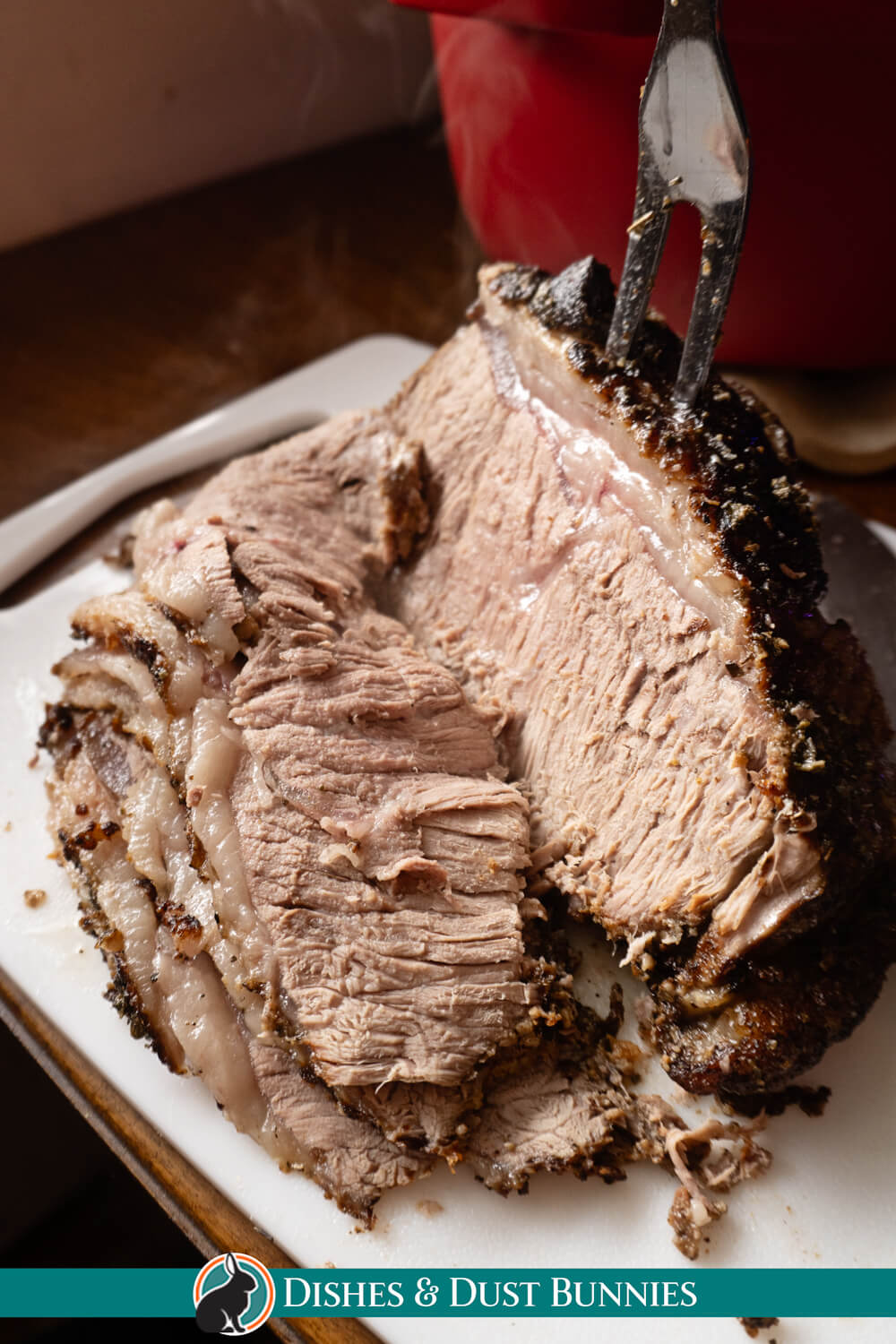
Dry Roasting vs. Adding Liquid: Two Delicious Ways to Make Roast Beef
When it comes to cooking roast beef, there are two popular methods: dry roasting and adding liquid. In dry roasting, the beef is cooked using dry heat in the oven, often resulting in a slightly crispier exterior. Some home cooks, like my grandmother, prefer to add liquid—such as beef broth, water, or wine—to the roasting pan. This method helps keep the roast moist and creates a flavorful base for making gravy from the drippings.
Whether you choose to dry roast or add liquid, both approaches still result in delicious roast beef. Where I’m from, my grandmother simply called it roast beef either way. Some might refer to a roast with added liquid as a pot roast, but for us, it was always just roast beef. Dry roasting creates a slightly firmer texture with a caramelized crust, while adding liquid ensures a juicy, tender roast, especially for tougher cuts.
In this recipe, we use the added liquid method to keep the roast flavorful and tender. However, if you prefer to dry roast this beef recipe, simply skip adding liquid to the pan. You can expect a crispier exterior and slightly drier meat, especially with leaner cuts, but the roast will still be flavorful and perfect for slicing.
How to Reheat Roast Beef
Reheating roast beef can be tricky, as you want to preserve its tenderness and avoid drying it out. Here’s how to reheat your roast beef properly while keeping it juicy and flavorful:
- Oven Method (Best for Larger Portions):
Preheat your oven to 300°F. Place the leftover roast beef in a shallow baking dish, adding a little beef broth or water to keep it moist. Cover the dish with aluminum foil and heat for about 20-30 minutes, or until warmed through. This method helps retain moisture and is ideal for larger portions. - Stovetop Method (Quick and Easy):
If you’re reheating smaller slices, the stovetop works well. Heat a skillet over medium heat and add a splash of broth or water. Place the slices in the skillet and cover with a lid. Let them heat for about 3-5 minutes, turning occasionally until warmed through.
By following these methods, you’ll be able to enjoy your leftover roast beef without sacrificing flavor or tenderness!
What Role Does Beef Broth Play in Making Tender Roast Beef?
Although this recipe uses water with Worcestershire sauce, you can substitute beef broth for even more flavor. The beef broth helps keep the roast moist while enhancing its depth of flavor. It’s a great addition if you want a richer taste or are making a gravy with the pan drippings.
How Can I Use Leftover Roast Beef?
Leftover roast beef can be used in many delicious ways. Slice it thin for sandwiches, such as classic roast beef sandwiches with horseradish sauce. You can also use leftovers in wraps, salads, or add it to a stir-fry for a quick dinner.
Frequently Asked Questions
Can I make roast beef ahead of time?
Yes! You can prepare the roast ahead of time and store it in the fridge. Reheat the slices with a bit of the pan juices to keep the meat moist.
How do I keep roast beef from drying out?
To avoid drying out your roast, make sure to sear the meat before roasting and use a meat thermometer to monitor the internal temperature.
What to Serve with Roast Beef
This tender roast beef is perfect alongside classic sides like mashed potatoes, roasted carrots, or steamed green beans. The rich pan juices can also be thickened into a beef gravy to pour over everything!
Perfect Oven-Roast Beef
- Total Time: 0 hours
- Yield: 6–8 servings 1x
Ingredients
- 4 lbs beef sirloin roast
- 2 tbsp vegetable oil
- 1 medium onion, peeled and cut in half
Seasoning for browning/searing:
- 1 ¼ tsp garlic powder
- ½ tsp salt
- ½ tsp pepper
- ¼ tsp ground sage
- ½ tsp dried sage
- ½ tsp dried oregano
- 3 tbsps flour
For pouring over the roast:
- 1 cup water
- 2 tsp Worcestershire sauce
- ½ tsp dried sage

Instructions
Before starting, it’s crucial to let the roast come to room temperature to ensure even cooking.
-
Preheat oven to 325°F (163°C).
-
Season the Beef: In a small bowl, combine the garlic powder, salt, pepper, ground sage, dried sage, and dried oregano. Rub the mixture all over the beef sirloin roast.
-
Sear the Beef: Heat 2 tablespoons of vegetable oil in a hot skillet or dutch oven over medium-high heat. Once hot, add the beef sirloin roast and sear each side for about 2-3 minutes, until browned. Add the onion halves to the pan for extra flavor.
-
Transfer to Roasting Pan: After searing, transfer the beef and onions to a roasting pan or keep them in the dutch oven.
-
Prepare the Sauce: In a small bowl, mix 1 cup of water with 2 teaspoons of Worcestershire sauce and ½ teaspoon of dried sage. Pour this mixture over the beef.
-
Roast in the Oven: Place the roast in the preheated oven and cook until the internal temperature reaches 135°F (57°C) for medium-rare or 160°F (71°C) for well-done. For a 4 lbs beef sirloin roast, this will take about 20-30 minutes per pound, so plan for roughly 1.5 to 2 hours.
-
Let the Roast Rest: Once the roast has reached the desired internal temperature, remove it from the oven and loosely cover it with aluminum foil. Let the roast rest for at least 15 minutes to allow the juices to redistribute.
-
Serve: Slice the roast and serve with your favorite sides, such as mashed potatoes, green beans, or roasted vegetables. Don’t forget to drizzle some of the pan juices over the meat for extra flavor!
Slow Cooker Instructions
- For the slow cooker version of this recipe, start by seasoning the beef sirloin roast with garlic powder, salt, pepper, sage, oregano, and flour.
- Heat some vegetable oil in a skillet over medium-high heat and sear the roast on all sides until browned. After searing, transfer the roast to the slow cooker.
- Add the onion halves, then pour a mixture of water, Worcestershire sauce, and dried sage over the roast.
- Cook on low for 8-10 hours, or on high for 4-6 hours, until the meat is tender. Once done, let the roast rest before slicing and serving.
Instant Pot/Pressure Cooker Instructions
- For the Instant Pot version, season the beef sirloin roast with garlic powder, salt, pepper, sage, oregano, and flour.
- Set the Instant Pot to the sauté function and add vegetable oil. Once hot, sear the roast on all sides until browned. After searing, turn off the sauté function and add the onion halves.
- Pour a mixture of water, Worcestershire sauce, and dried sage over the roast.
- Seal the lid and cook on high pressure for 70-80 minutes, depending on the size of the roast. Let the pressure release naturally before opening.
- Rest the roast for a few minutes before slicing and serving.
-
Grilled Beef Roast: You can grill your roast beef over indirect heat for a smoky flavor. Sear the roast on all sides, then move it to a cooler part of the grill to cook slowly until it reaches your desired doneness.
-
Stovetop Pot Roast: Instead of the oven, cook the roast beef in a Dutch oven on the stovetop. Sear the beef, then add beef broth or red wine to braise the meat. Simmer on low heat for a few hours until the meat is tender.
How to Make a Gravy from the Drippings
After cooking roast beef, the drippings left in the pan are perfect for making a rich and flavorful gravy. Here’s how to turn those drippings into a delicious sauce to accompany your meal.
-
Once you’ve finished making roast beef, transfer the roast to a plate and allow it to rest. While the roast rests, place the roasting pan with the drippings on the stovetop over medium heat.
-
Melt butter (about 2 tablespoons) in the pan, stirring it into the drippings. This adds richness and helps thicken the gravy.
-
To the mixture, add 2 tablespoons of flour and whisk continuously for about 1-2 minutes until it forms a roux. This will help thicken the gravy.
-
Slowly pour in more beef broth or enough beef stock (about 1 to 1 ½ cups), whisking constantly to avoid lumps. The amount of liquid depends on how thick or thin you want your gravy. Keep stirring until the gravy begins to thicken.
-
Let the gravy simmer for a few minutes, stirring occasionally, until it reaches your desired consistency. Taste and season with salt and pepper as needed.
This easy method of using the drippings ensures that all the flavors from cooking roast beef go into the gravy, making it a perfect complement to the dish.
Notes
For perfect doneness, use a meat thermometer to check the internal temperature of your roast. For medium-rare, aim for 135°F (57°C) and cook for about 20 minutes per pound. For medium, target 145°F (63°C) and cook for around 25 minutes per pound. For well-done, the internal temperature should reach 160°F (71°C), with a cooking time of about 30 minutes per pound. Always let the roast rest for at least 15 minutes before slicing.
- Prep Time: 15 minutes
- Cook Time: 90-120 min
- Category: Main Course
- Method: Oven
- Cuisine: Comfort Food/American
